

5 Key Differences Between Abstinence and Celibacy You Need to Know
You’re sitting in a coffee shop in Austin, scrolling past another dating app notification you’re not sure you want to open. Maybe you just got out of a relationship. Maybe your doctor mentioned sexual health risks at your last checkup. Or maybe you’re just tired of the pressure. When you tell your friend you’re “taking a break,” she asks, “So you’re celibate now?” You pause. Is that the right word? Or is it abstinence?
Americans often use these terms as if they’re the same, but they carry distinct meanings in legal, medical, and social contexts. If you’re trying to figure things out after a divorce, dealing with religious obligations, or simply looking to start fresh, understanding the differences can help you express your limits and get the support you need.
Quick Answer / TLDR
- Abstinence Typically, it involves a temporary pause in sexual activity. This can be due to health concerns, relationship dynamics, or personal choices.
- Celibacy A vow usually suggests a long-term or permanent commitment, often (but not always) connected to religious or spiritual beliefs.
- Key difference: Timeframe and abstinence represent a temporary halt celibacy frequently signifies a deliberate way of life.
- Medical context: The Centres for Disease Control and Prevention (CDC) states that abstinence is the only method that guarantees complete prevention of both pregnancy and sexually transmitted infections (STIs) during periods of sexual inactivity.
- Social nuance: Celibacy often has cultural or religious significance, while abstinence is regularly promoted in public health and educational programs.
What These Terms Actually Mean in the US
In American healthcare, abstinence refers to the intentional decision to abstain from sexual activity for a specific period, often used in high school health classes, Planned Parenthood brochures, and military readiness briefings. It is often used to achieve goals such as avoiding pregnancy, recovering from surgery, or awaiting marriage.
Celibacy, originating from Latin caelibatus, is often associated with monastic vocations. It includes Catholic priests, Buddhist monks, and secular “voluntarily celibate” Reddit communities in the US. Less “not right now” and more “not as a rule.”
Types you’ll encounter:
- Religious celibacy: Priests, nuns, monks (Catholic, Orthodox, some Buddhist traditions)
- Vocational celibacy: Chosen for career or artistic focus (common in competitive athletics or intense graduate programs)
- Post-relationship celibacy: Growing trend among divorced Americans and “self-partnered” millennials reclaiming autonomy
The 5 Key Differences
1. Duration and Flexibility
Naturally, abstinence is transient. You are abstaining until the wedding date, test results, or matching partner change. Celibacy frames the decision as permanent or indefinite. Celibacy can be “broken,” but culturally it entails a deeper commitment, sometimes contractual (religious vows) or identity-based.
2. Motivation and Context
Public health campaigns promote abstinence as risk management. It’s pragmatic. Celibacy usually stems from spiritual discipline, philosophical principle, or deep personal trauma recovery. One is often framed as protection; the other as devotion.
3. Scope of Activity
Abstinence programs in US schools often focus specifically on vaginal intercourse to prevent pregnancy. Celibacy, particularly religious celibacy, typically demands broader restraint no sexual activity, no romantic partnerships, sometimes no dating at all. The boundaries are wider and more absolute.
4. Social Identity
Nobody gets ordained as an “Abstinent.” But celibacy can become a social category. You’ll find “Celibate TikTok” and support groups for people choosing permanent celibacy after bad marriages. Abstinence rarely becomes an identity marker it’s something you’re doing, not something you are.
5. Medical vs. Spiritual Framing
When your GP at the Cleveland Clinic asks about sexual activity, they’re screening for risk factors abstinence is a medical data point. When a spiritual director asks, they’re assessing vocational fit. The conversations happen in entirely different rooms with different stakes.
How to Choose What’s Right for You
There’s no blood test for this decision. Start with honesty about your goals:
Choose abstinence if:
You need a reset after a breakup, want to focus on career without romantic distraction, or are managing a specific health concern (like recovering from gynecological surgery). It’s reversible and low-stakes.
Consider celibacy if:
You feel called to spiritual service, have consistent negative patterns in relationships you want to permanently break, or simply realize you’re happier without sexual pursuit. This requires more infrastructure community support, clear boundaries, sometimes counseling.
Red flags to watch:
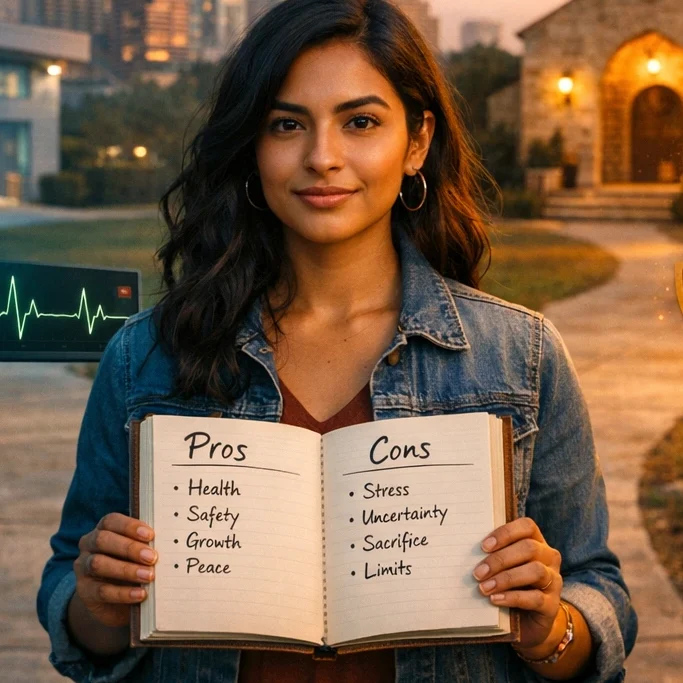
If you’re choosing either to punish yourself or to avoid dealing with trauma, pause. Both choices should expand your life, not shrink it. The American Psychological Association notes that healthy celibacy correlates with strong social networks and purpose; unhealthy isolation masquerading as celibacy correlates with depression.
Navigating the Social Landscape
Telling partners:
“I’m abstinent right now” invites questions about the timeline. “I’m celibate” usually ends the conversation. Pick the word that matches your boundary.
Handling pressure:
In US dating culture, especially apps, both choices meet resistance. You don’t owe anyone a theological defense. A simple “I’m not having sex period” suffices.
Finding community:
- For abstinence: Scarleteen (inclusive sex education), local health departments, church youth groups (if religious)
- For celibacy: Specific religious orders, secular celibacy forums, therapist-led support groups for intentional singleness
FAQ
Is celibacy the same as being asexual?
No. Asexuality is a sexual orientation little to no sexual attraction to others. Celibacy is a behavioral choice. An asexual person might choose celibacy, or they might not. A highly sexual person might choose celibacy for religious reasons despite having desires.
Can you be celibate if you’re not religious?
Absolutely. Secular celibacy is growing among Americans prioritizing mental health, career ambitions, or simply personal preference without divine mandate.
Is abstinence only for teenagers?
Not at all. Post-divorce abstinence is common, as is temporary abstinence during medical treatments or relationship transitions. About 13% of American adults aged 20-40 report periods of voluntary abstinence lasting six months or longer, per general population health surveys (verify specific statistics with CDC National Survey of Family Growth).
Does celibacy mean you can’t date?
Depends on your rule set. Some celibate people date romantically but not sexually (sometimes called “dating while celibate” or “courtship”). Religious celibacy often prohibits romantic pairing entirely. Define your own lines.
Is abstinence 100% effective against STIs?
Yes if perfectly practiced (no oral, anal, or vaginal sex, and no skin-to-skin genital contact that transmits HPV or herpes). The CDC confirms this. However, “perfect use” is rare; many people practicing abstinence still engage in some sexual behaviors that carry risk.
Can you switch from celibacy back to sexual activity?
Yes. Unlike religious vows that might carry spiritual consequences, physically, there’s no barrier. However, long-term celibacy can create psychological barriers to intimacy that therapy may help navigate.
Which is healthier abstinence or celibacy?
Neither is inherently healthier. The Mayo Clinic emphasizes that sexual health includes emotional well-being. If your choice reduces anxiety and aligns with your values, it’s healthy. If it isolates you or stems from untreated trauma, consult a professional.