
Description
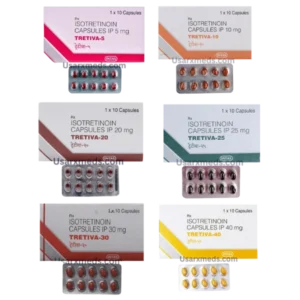
What is Isotretinoin 20mg?
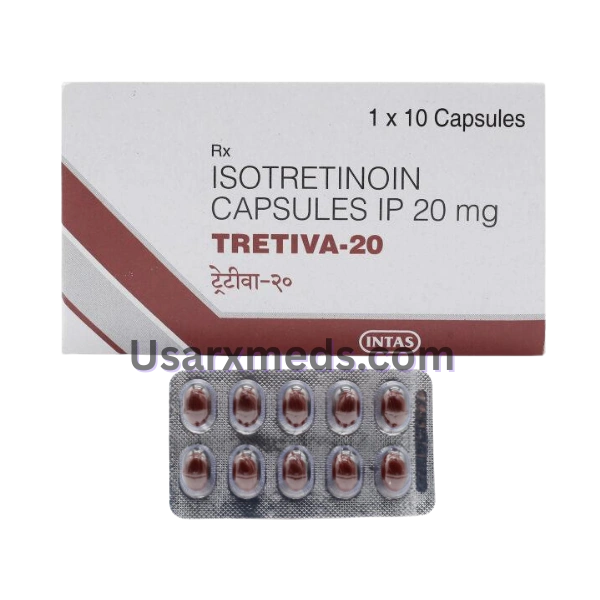
Isotretinoin 20mg is an oral retinoid derived from vitamin A. It’s commonly for severe acne especially nodular acne that has not improved with other treatments like antibiotics or topical therapies.
Although some people search for “acne cream,” isotretinoin is not a cream it’s taken by mouth and requires close medical monitoring due to important safety risks.
For more acne-related options and education, see our acne category: acne.
How it works (simple)
Isotretinoin helps acne by:
- Shrinking oil glands and lowering oil (sebum) production
- Reducing clogged pores (comedone formation)
- Decreasing inflammation and acne-causing bacterial overgrowth indirectly
Because it significantly reduces oil, dryness (lips/skin/eyes) is very common.
Uses / What it’s commonly prescribed for
Isotretinoin is commonly prescribed for:
- Severe nodular acne
- Acne that has not responded to adequate trials of other treatments (topicals and/or oral antibiotics)
- Acne that is causing scarring or significant psychosocial distress (as assessed by a clinician)
Your clinician will decide if it’s appropriate based on acne severity, prior treatment history, and your overall health.
How to take / use directions (general)
Always follow your licensed healthcare provider’s directions and the instructions on your prescription label.
General guidance often includes:
- Take isotretinoin with food (absorption may improve), unless your prescriber directs otherwise.
- Swallow capsules whole do not crush or chew.
- It is commonly taken once or twice daily, depending on the prescribed plan.
- Typical treatment courses are often around 15–20 weeks, but your provider may adjust the duration.
- Expect monitoring (commonly includes pregnancy tests when applicable and blood tests such as lipids and liver enzymes).
If you need a trusted place to start, visit usarxmeds.com for product information and support resources.
Side effects: common vs. serious
Common side effects
These are frequent and often dose-related:
- Dry, chapped lips
- Dry skin, peeling, or itching
- Dry eyes or irritation (contact lenses may feel uncomfortable)
- Nose dryness or nosebleeds
- Increased sun sensitivity (easier sunburn)
- Mild muscle or joint aches
- Temporary acne flare early in treatment (can occur)
Serious side effects seek urgent care.
Stop the medication and seek urgent medical care right away if you develop:
- Signs of a severe allergic reaction (swelling of face/lips/tongue, trouble breathing)
- Severe headache, blurred vision, dizziness, nausea/vomiting (possible increased intracranial pressure)
- Severe abdominal pain, persistent vomiting (possible pancreatitis or other serious issue)
- Yellowing skin/eyes, dark urine (possible liver problems)
- Chest pain, shortness of breath
- Severe mood changes, depression symptoms, suicidal thoughts
Warnings & precautions (important)
Isotretinoin has major safety warnings. In the United States, it is dispensed under a strict risk-management program (commonly known as iPLEDGE/REMS).
Key precautions:
- Pregnancy: Isotretinoin can cause severe birth defects and pregnancy loss. Do not use if pregnant. People who can become pregnant must follow program requirements (pregnancy testing, contraception rules, and counseling).
- Breastfeeding: Typically not recommended while taking isotretinoin discuss with your provider.
- Mental health: Report new or worsening depression, anxiety, mood changes, or unusual behavior.
- Liver & lipids: May raise liver enzymes and triglycerides lab monitoring is commonly required.
- Vision/night driving: Some people report reduced night vision use caution.
- Skin procedures: Avoid waxing and certain laser/dermabrasion procedures during treatment (and for a period after) due to scarring risk ask your clinician.
- Blood donation: Do not donate blood during therapy and for a period after stopping (per program guidance).
Interactions (meds/food/alcohol if relevant)
Tell your clinician and pharmacist about all medications, supplements, and vitamins you take.
Common interaction concerns include:
- Vitamin A supplements (increased risk of toxicity)
- Tetracycline antibiotics (e.g., doxycycline, minocycline): may increase risk of increased intracranial pressure
- St. John’s wort: may affect contraception reliability and interact with treatment plans
- Alcohol: may worsen triglyceride/liver effects discuss safe limits with your provider
Food note:
- Taking isotretinoin with a meal is often recommended to support absorption (follow your prescription directions).
Advantages & Disadvantages
Advantages
- Often effective for severe, treatment-resistant acne
- Can reduce new breakouts by lowering oil production
- May help prevent future scarring when acne is controlled.
- Structured monitoring can improve overall treatment safety.
- Clear, standardized safety steps in the U.S. (REMS/iPLEDGE)
Disadvantages
- High-risk in pregnancy with strict program requirements
- Dryness and irritation are very common.
- Requires lab monitoring and follow-up visits
- Potential for serious side effects (mood changes, liver/lipid issues)
Who should not use it? (contraindications)
Isotretinoin is not appropriate for everyone. Do not use (or use only with specific medical guidance) if:
- You are pregnant or may be pregnant during treatment.
- You have a known hypersensitivity/allergy to isotretinoin or capsule ingredients.
- Your prescriber advises against use due to uncontrolled lab abnormalities (e.g., very high triglycerides) or other significant medical risks.
If you’re unsure, talk with a licensed provider before starting or continuing therapy.
Storage & handling (US-friendly wording)
- Store at room temperature (generally 68–77°F).
- Keep capsules in the original packaging, away from heat, light, and moisture (don’t store in a steamy bathroom).
- Keep out of reach of children and pets.
- Dispose of unused medication per local pharmacy take-back guidance.
Isotretinoin 20mg capsules for acne: what to expect in the U.S.
In the United States, isotretinoin treatment typically includes:
- Enrollment and compliance with the required safety program (iPLEDGE/REMS)
- Regular follow-ups and, when indicated, monthly pregnancy testing
- Periodic lab checks (often triglycerides and liver enzymes)
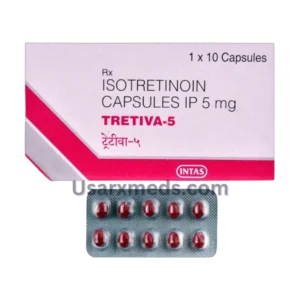
If you’re working with your clinician and need other strengths, you can compare options like Isotretinoin 10mg and Isotretinoin 5mg.
FAQs
Q: Is Isotretinoin 20mg safe for long-term use?
A: Based on cumulative dose, standard treatment lasts 15–20 weeks. Long-term low-dose protocols prescribed by dermatologists necessitate medical supervision due to adverse effects and monitoring.
Q: How quickly will I see results with Isotretinoin 20mg?
A: Most patients see improvement within 4–6 weeks and considerable clearance by 3 months. Some experience transient worsening (purging) during the first month when the medicine forces material from deep pores.
Q: What should I do if I miss a dose?
A: Skip the missed dose and take your next scheduled dose on time. Avoid doubling up to make up a missed dosage. Consistency helps you reach your provider’s cumulative goal dose.
Q: How can I verify Intas Pharmaceuticals medication?
A: We buy directly from licensed producers with chain-of-custody records. Verify all goods with original packaging, batch numbers, and expiration dates. Our pharmacy follows all US dispensing laws and requires valid prescriptions.
Q: Can I drink alcohol while taking Isotretinoin 20mg?
A: Reduce or eliminate alcohol. Taking isotretinoin and alcohol together can raise triglycerides and liver enzymes. Discuss restrictions with your doctor.
Q: Do you ship discreetly within the United States?
A: We package all tracked packages in plain, unmarked packaging. Delivery times vary by location, and we follow all state and federal prescription drug shipping rules to protect your privacy.
Medical Disclaimer
This content is for informational purposes only and is not a substitute for professional medical advice, diagnosis, or treatment. Always consult a licensed healthcare professional for personalized guidance.





Reviews
There are no reviews yet.