
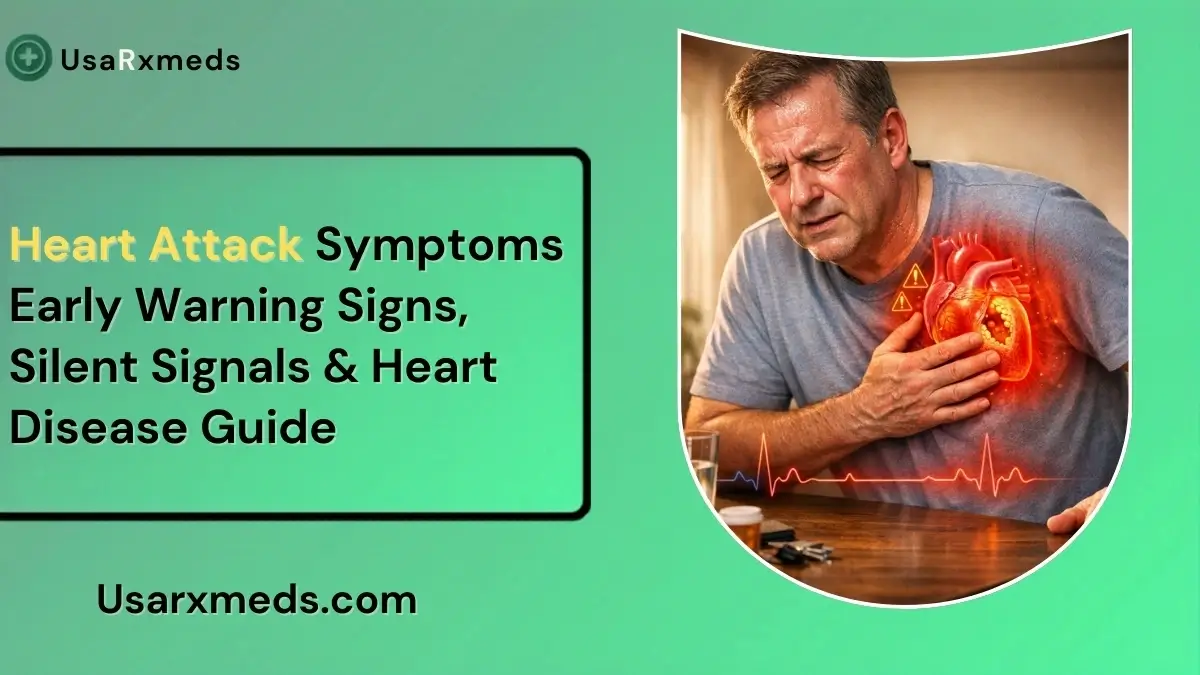
Every 40 seconds, someone in this country has a heart attack. That's not a scare tactic. It's just the reality of how common this is. And the scary part isn't really the number itself. It's how many people miss the Heart Attack Symptoms because they expected something dramatic, like what you see in movies.
A heart attack doesn't always look like a guy clutching his chest and collapsing. Sometimes it's subtle. Sometimes it feels like indigestion. Sometimes there are barely any symptoms at all.
Knowing what to actually look for could genuinely save your life or someone else's. So let's break this down in plain terms.
What Does a Heart Attack Actually Feel Like
Most people picture intense chest pain when they think about heart attacks. And yeah, that happens. But the experience varies a lot from person to person.
Some people describe it as crushing pressure on their chest. Others say it felt more like tightness, squeezing, or heaviness. Some didn't feel chest pain at all. Instead, they felt exhausted, nauseous, or just deeply uncomfortable in ways they couldn't quite explain.
The tricky thing about heart attack symptoms is that they overlap with a bunch of less serious conditions. Acid reflux, anxiety, pulled muscles. That overlap is exactly why so many people wait too long before getting help.
Here's a good rule to live by: if something feels wrong and you can't shake the feeling, don't argue with your body. Get it checked out. Being wrong about a heart attack is infinitely better than being right and doing nothing.
Heart Attack Symptoms You Should Know
Let's get into the specific heart attack symptoms that show up most commonly.
Chest Discomfort
This is the classic one. Pressure, squeezing, fullness, or pain in the center or left side of the chest. It can last more than a few minutes, or it may come and go. Not everyone describes it as "pain" exactly. Some say it feels like something heavy sitting on their chest.
Pain in Other Areas
This catches people off guard. Heart attack pain can radiate to your arms (especially the left one), jaw, neck, back, or stomach. Jaw pain during a heart attack is particularly common in women and often gets mistaken for a dental issue.
Shortness of Breath
Feeling like you can't catch your breath, especially when you're not doing anything physically demanding. This can happen with or without chest discomfort. Some people notice this days before a heart attack actually occurs.
Cold Sweat
Breaking into a cold, clammy sweat for no apparent reason. Not the kind you get from exercise or hot weather. This one feels different, and people who've experienced it say they just knew something was off.
Nausea or Lightheadedness
Feeling sick to your stomach, dizzy, or like you might faint. These symptoms are more common in women and are frequently brushed off as something minor.
If you're dealing with ongoing cardiovascular concerns, talking to your doctor about heart health medications and prevention strategies is a smart move. Don't wait for symptoms to become an emergency.
Early Signs of Heart Attack
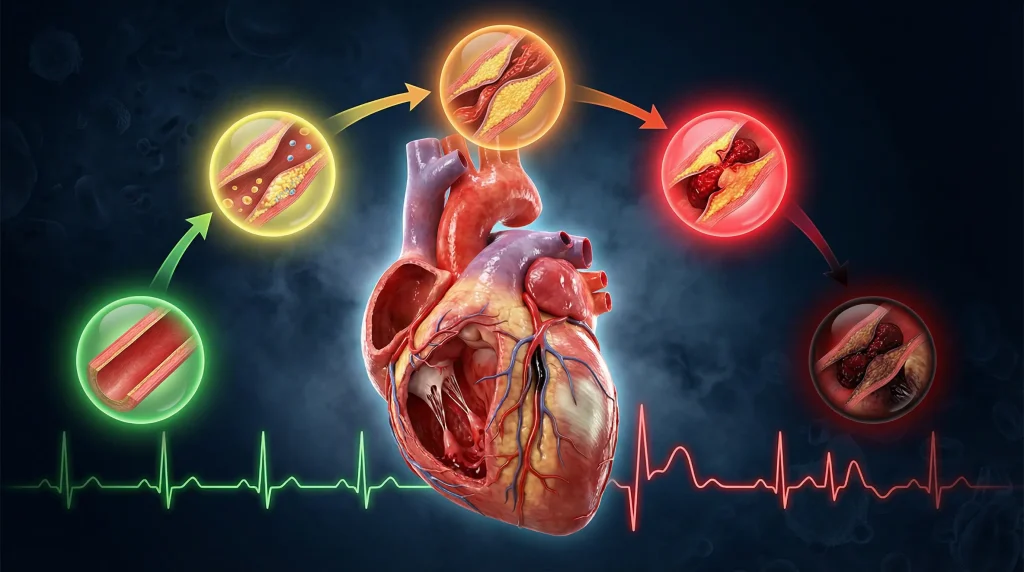
Here's something a lot of people don't realize. Heart attacks don't always strike out of nowhere. Your body often sends warning signals days or even weeks before.
Recognizing these early signs of heart attack gives you a critical window to act.
Unusual Fatigue
Feeling completely wiped out for no good reason. Not regular tiredness from a long day, but deep, bone-level exhaustion that doesn't improve with rest. Women report this one especially frequently in the weeks leading up to a heart attack.
Sleep Disturbances
Trouble falling asleep, waking up randomly during the night, or feeling unrested despite sleeping enough hours. If you're experiencing ongoing sleep issues alongside other concerning symptoms, it's worth mentioning to your doctor.
Mild Chest Discomfort That Comes and Goes
Not the dramatic chest-clutching kind. More like a fleeting tightness or pressure that pops up during activity and goes away with rest. Easy to dismiss, but potentially significant.
Exercise Intolerance
Activities that used to be easy suddenly feel harder. Walking up stairs leaves you winded. Short walks feel exhausting. Your body is telling you something about your heart's ability to keep up.
Digestive Issues
Heartburn, indigestion, or stomach pain that seems random or doesn't respond to antacids. The heart and stomach share nerve pathways, so cardiac distress sometimes disguises itself as a gut problem.
These early signs don't guarantee a heart attack is coming, but they shouldn't be ignored either. Talking to a healthcare provider about what you're feeling is always the right call.
Silent Heart Attack Symptoms
This is the part that honestly keeps cardiologists up at night. Silent heart attacks are exactly what they sound like. Heart attacks that happen with minimal or no noticeable symptoms.
According to the American Heart Association, nearly half of all heart attacks are silent. That's a staggering number.
Silent heart attack symptoms might include:
- Mild discomfort that feels like a muscle strain
- Flu-like feelings that resolve on their own
- Brief episodes of lightheadedness
- Slight jaw or upper back discomfort
- Fatigue that seems disproportionate to your activity level
The damage still happens even when you don't feel much. Heart muscle still dies from lack of blood flow. And that damage increases your risk of a second, potentially more severe heart attack down the road.
People with diabetes are particularly vulnerable to silent heart attacks because nerve damage can dull the sensation of pain. If you have diabetes or other risk factors, regular cardiac checkups aren't optional. They're essential.
Signs of Heart Disease
Heart attacks don't happen in isolation. They're usually the result of underlying heart disease that's been building for years. Recognizing the broader signs of heart disease can help you intervene before things reach a crisis point.
Common signs include:
- Chest pain or discomfort during physical activity (angina)
- Shortness of breath during routine tasks
- Swelling in feet, ankles, or legs
- Irregular heartbeat or palpitations
- Persistent fatigue
- Dizziness or fainting spells
Heart disease develops gradually. Plaque builds up in your arteries over time, narrowing them and restricting blood flow. By the time symptoms become obvious, significant damage may already be done.
Managing risk factors like high blood pressure and high cholesterol early on makes a measurable difference in long-term outcomes.
Symptoms of Heart Disease in Men vs Women
This distinction matters more than people think.
Men
Men tend to experience what most people consider "textbook" symptoms. Chest pain or pressure, pain radiating down the left arm, shortness of breath. These are the symptoms that get the most attention in medical education and public awareness campaigns.
Women
Women often get a different set of symptoms, and that's a real problem. They're more likely to experience:
- Jaw, neck, or upper back pain
- Nausea and vomiting
- Extreme fatigue
- Shortness of breath without chest pain
- Dizziness
Because these symptoms of heart disease don't match the classic male presentation, women are more likely to delay seeking help. They're also more likely to be misdiagnosed. Studies have shown that women wait longer to call 911 and are sometimes sent home from emergency rooms with incorrect diagnoses.
If you're a woman experiencing any combination of these symptoms, advocate for yourself. Push for testing. Don't accept "it's probably just stress" without proper evaluation.
When to Call 911
Don't drive yourself to the hospital. Don't "wait and see." Don't Google your symptoms for 45 minutes first.
Call 911 immediately if you experience:
- Chest pain or pressure lasting more than a few minutes
- Pain spreading to your arm, jaw, neck, or back
- Sudden shortness of breath
- Cold sweat with nausea or lightheadedness
- A gut feeling that something is seriously wrong
Time is muscle. Every minute without treatment means more heart tissue dies. Emergency responders can begin treatment in the ambulance, which can make a significant difference in survival and recovery.
If you're taking any prescription medications, have that information ready for paramedics. It helps them make faster, better decisions about your care.
Frequently Asked Questions
Can you have a heart attack and not know it?
Yes, absolutely. Silent heart attacks account for roughly 45% of all heart attacks. They cause minimal or no symptoms, so many people don't realize anything happened until the damage shows up on later testing. This is why routine cardiac screenings matter, especially if you have risk factors like diabetes, high blood pressure, or a family history.
How long can heart attack symptoms last before the actual event?
Early warning signs can appear days or even weeks before a heart attack. Unusual fatigue, mild chest discomfort, sleep problems, and shortness of breath are common precursors. These symptoms might come and go, which makes them easy to dismiss. If you notice a pattern of new or worsening symptoms, see your doctor without delay.
Are heart attack symptoms different for younger people?
They can be. Younger adults, especially women under 50, are more likely to experience atypical symptoms like nausea, jaw pain, and fatigue rather than classic chest pain. Younger people also tend to delay seeking help because they assume they're too young for a heart attack. Heart disease doesn't check your ID.
Does anxiety mimic heart attack symptoms?
It absolutely can. Panic attacks cause chest tightness, rapid heartbeat, shortness of breath, and sweating. These overlap heavily with heart attack symptoms. The safest approach is to treat it as a potential cardiac event until proven otherwise. Getting checked out and learning it was anxiety is a much better outcome than ignoring a real heart attack.
Can lifestyle changes reduce heart attack risk?
Significantly. Regular exercise, a balanced diet, maintaining a healthy weight, quitting smoking, and managing stress all lower your risk considerably. Controlling conditions like high blood pressure and high cholesterol through medication and lifestyle adjustments is equally important. Small consistent changes add up over time.
Final Thoughts
Heart attack symptoms don't always look the way you expect. They can be loud and obvious, or quiet and easy to miss. They show up differently in men and women. And sometimes they start weeks before the actual event.
The single most important thing you can take from this article is simple: trust your body. If something feels wrong, act on it. Don't rationalize it away. Don't wait for it to get worse. Get help, get answers, and deal with the embarrassment of a false alarm if that's what it turns out to be. Nobody ever regretted going to the ER for chest pain that turned out to be nothing.
Stay aware. Stay proactive. And talk to your doctor about your heart health before your heart forces the conversation.