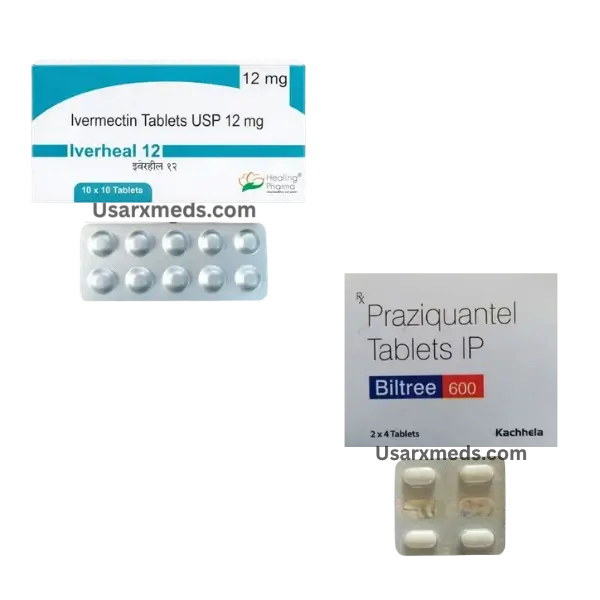
Ivermectin and Praziquantel Tablets are prescription anti parasite medications used when a clinician is treating specific parasitic worm infections. Ivermectin tablets are used for certain parasites and sometimes scabies in selected cases, while praziquantel tablets are best known for treating Schistosoma infections (Schistosomiasis) and some tapeworm or fluke infections. Because they target different parasites, dosing and timing should be based on a confirmed diagnosis, not guesswork.
Ivermectin and Praziquantel Tablets often show up in the same conversation for one reason: not all parasites respond to the same medication. If you are researching parasite treatment, you have probably noticed that people throw around words like “deworming” as if it is one simple thing. In real life, the right treatment depends on what parasite you actually have, where it is in the body, and how severe the infection is.These two medicines are both considered anti parasite medication, but they do different jobs.
What ivermectin tablets are typically used for
Ivermectin is an oral antiparasitic medication used in humans for specific infections. The most recognized uses include:
You will also see ivermectin mentioned as an oral option for scabies in certain cases, usually when topical treatments are not enough, when scabies is widespread, or when repeat outbreaks require a broader plan. Scabies treatment often includes environmental steps too, like washing bedding and clothing and treating close contacts if advised.
What praziquantel tablets are typically used for
Praziquantel is a targeted antiparasitic medicine most commonly used for:
It is also used for some tapeworm and fluke infections depending on the specific organism. If your clinician is mentioning schistosomiasis, they are usually considering travel history, freshwater exposure in certain regions, and lab results that point in that direction.
Why someone might need both
People often search these two together because they are trying to cover “parasitic worm infections” in general. The important detail is that these medicines are not interchangeable.
If the issue is a parasite that responds to ivermectin, praziquantel will not necessarily help.
If the issue is schistosomiasis, ivermectin is not typically the main treatment.
In some situations, a clinician may use more than one antiparasitic medicine across a treatment plan if there is concern for mixed infections or separate exposures. That should be guided by testing and medical judgment, not self-treatment.
How they work
Ivermectin interferes with nerve and muscle function in certain parasites. That can paralyze and kill the parasite so your body can clear it.
Praziquantel damages the parasite’s outer surface and affects its muscle control, which allows the immune system and body to eliminate it.
Sometimes people feel “worse before better” because the body reacts as parasites are damaged and cleared. That reaction can be confused with side effects. Either way, if symptoms are severe or alarming, get medical advice.
How to take them safely
Both medicines should be taken exactly as prescribed. Dosing can be weight-based and depends on the diagnosis.A few practical points that often come up:
Praziquantel is commonly taken with food to reduce stomach upset. It also tastes very bitter if chewed, so swallowing the tablet helps.
Ivermectin is often taken with water and is commonly recommended on an empty stomach by many prescribers, but follow the instructions you were given.
Do not add extra doses because you still have symptoms. For example, with scabies, itching can linger after mites are gone because the skin stays irritated.
Side effects and precautions
Common side effects can include nausea, headache, dizziness, stomach discomfort, diarrhea, and fatigue.Seek urgent medical help if you notice facial swelling, trouble breathing, severe rash, fainting, chest pain, or sudden vision or hearing changes.Drug interactions are possible. For example, praziquantel levels can be affected by certain medications that change liver enzyme activity, and ivermectin may interact with some medicines as well. If you take prescriptions for heart conditions, seizures, tuberculosis treatment (like rifampin), blood thinners, or immune conditions, it is smart to run your full medication list by your prescriber or pharmacist.
Available Strengths (As Available in the Market)
Combination products vary by manufacturer, so always confirm the exact strength on your packaging. These are common market strengths for the individual medicines:
600 mg (most common standard strength)Your clinician may prescribe one or both medicines depending on the parasite and your weight-based dose.
FAQs
1) What are Ivermectin and Praziquantel Tablets used for?
They are used for select parasitic worm infections. Ivermectin treats certain parasites like strongyloides and may be used for scabies in some cases. Praziquantel is commonly used for Schistosoma infections and some tapeworm or fluke infections.
2) Are these medications the same type of “dewormer”?
They are both antiparasitic drugs, but they target different parasites and work in different ways. “Deworming” is not one-size-fits-all, so diagnosis matters.
3) Can I take ivermectin and praziquantel together?
Only if a clinician specifically instructs you to. Taking both without a clear diagnosis can increase side effects and still miss the actual cause of symptoms.
4) How long does it take to feel better after treatment?
Some people improve quickly, while others take longer depending on the parasite and how the body reacts. Symptoms like itching or fatigue can linger even after parasites are cleared.
5) What should I do if symptoms come back after treatment?
Do not automatically repeat the course on your own. Recurrence can mean reinfection, incomplete environmental steps (in cases like scabies), or a different diagnosis. Follow up with a clinician for testing and next steps.
Reviews
There are no reviews yet.