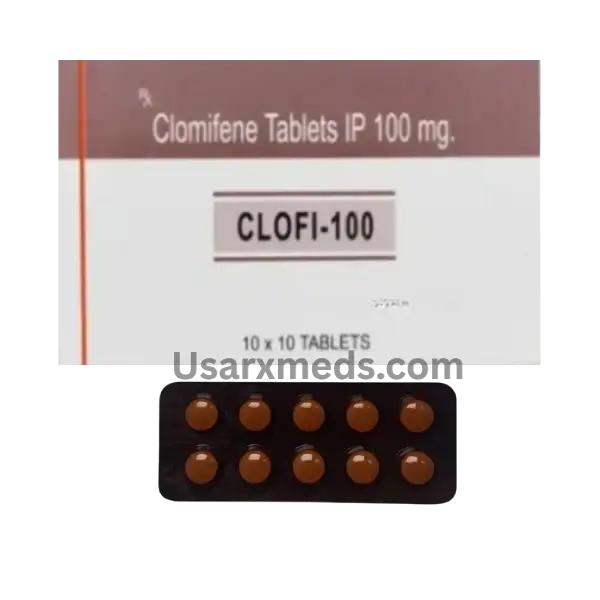
Clofi 100 mg (Clomiphene) is a prescription clomiphene tablet used to stimulate ovulation in women with ovulation disorders, including polycystic ovarian syndrome (PCOS). Clomiphene 100 mg is typically considered a higher strength and is often prescribed when lower doses have not produced consistent ovulation. Because response can vary and monitoring is important, Clofi 100 mg should be used only under clinician supervision with cycle timing guidance.
Clofi 100 mg (Clomiphene) is a higher strength clomiphene option that’s usually prescribed when a lower dose didn’t get the response your clinician was looking for. If you’re at the point where 100 mg is on the table, you’ve probably already been through some combination of cycle tracking, lab work, ultrasound appointments, and the kind of waiting that feels like it takes over your whole month.Clomiphene has been used for decades as an ovulation induction medicine. It’s often one of the first medications used for fertility support when the main issue is irregular ovulation, which is common in polycystic ovarian syndrome (PCOS).
What Clofi 100 mg is used for
Clofi 100 mg is prescribed to help induce ovulation in women with:
PCOS related infertility, where ovulation is irregular or absent
Ovulatory dysfunction not related to PCOS
Some cases of unexplained infertility, depending on the fertility plan
Clomiphene doesn’t fix every cause of infertility. If the fallopian tubes are blocked, sperm quality is a problem, or there are untreated hormonal issues like thyroid disease, ovulation alone may not be the full answer. This is why clinicians often do baseline testing before or alongside clomiphene cycles.
How clomiphene works
Ovulation is controlled by signals from the brain to the ovaries. Clomiphene works by encouraging your body to release more of the hormones that stimulate follicle growth. The goal is to help one follicle mature enough to release an egg.In many women with PCOS, follicles begin to develop but don’t reach the “finish line.” Clomiphene can help push the process forward.
Why 100 mg is treated differently than 50 mg
A lot of people start at 50 mg. If ovulation doesn’t happen, or if it happens inconsistently, the dose may be increased. Clofi 100 mg is commonly used as that next step.The reason dose increases are handled carefully is because higher clomiphene doses can:
Increase side effects
Increase the chance of multiple follicles developing
Increase the risk of multiple pregnancy (twins)
For some people, 100 mg is the dose that finally produces ovulation. For others, the issue isn’t dose. It might be something like insulin resistance, weight-related hormone imbalance, or a need for a different medication approach. Your clinician is the one who decides when to move up or switch strategies.
How Clofi 100 mg is usually taken
Clomiphene is typically taken for a short course in each cycle, often 5 days early in the cycle. The exact start day depends on the protocol your clinician uses. It matters, so follow your schedule exactly.You may also be asked to:
Come in for ultrasound monitoring to check follicle growth
Use ovulation predictor kits
Get blood tests to confirm ovulation
Time intercourse or schedule IUI based on follicle size and timing
Monitoring is especially helpful at higher doses because it helps manage risks and improves timing.
Side effects and what to watch for
Common clomiphene side effects include:
Hot flashes
Mood swings or irritability
Bloating
Headache
Breast tenderness
Nausea
A side effect that needs quick attention is visual changes. Blurred vision, flashes, or spots are not something to push through. Stop the medication and contact your clinician.Also contact your clinician quickly if you have severe pelvic pain, significant abdominal swelling, or rapid weight gain. These are not common, but they are signs you should be evaluated.
Managing PCOS alongside medication
With PCOS, medication is one part of the plan. If your clinician has mentioned insulin resistance, weight management, or lifestyle changes, it’s not just generic advice. Sleep, nutrition, and physical activity can improve ovulation response for many women. You don’t need to do everything perfectly, but small improvements can add up.
Some clinicians start lower and step up based on response. The best strength is the one that produces ovulation safely with manageable side effects.
FAQs
1) What is Clofi 100 mg (Clomiphene) used for?
Clofi 100 mg is used to induce ovulation in women with ovulation disorders, including PCOS, as part of a fertility treatment plan.
2) Is Clomiphene 100 mg a high dose?
It is considered a higher dose compared to the common starting dose of 50 mg. It’s usually prescribed when lower doses have not produced consistent ovulation.
3) How soon does ovulation happen after taking Clofi 100 mg?
Ovulation often occurs later in the same cycle after finishing the course, but timing varies. Ultrasound monitoring and ovulation tracking help confirm it.
4) Can clomiphene increase the chance of twins?
Yes. Clomiphene can lead to multiple follicles developing, which increases the chance of twins. Monitoring helps manage this risk.
5) What side effects should I report immediately?
Visual changes, severe pelvic pain, major abdominal swelling, heavy bleeding, or symptoms that feel severe or unusual should be reported promptly to your clinician.
size
120 Tablet/s, 180 Tablet/s, 60 Tablet/s
⭐ Reviews
Reviews
There are no reviews yet.
Be the first to review “Clofi 100 mg (Clomiphene)” Cancel reply
Reviews
There are no reviews yet.