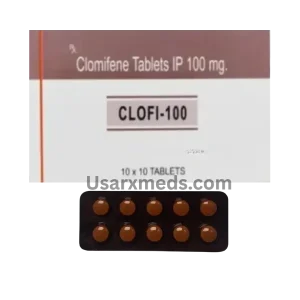
Siphene Tablets (Clomiphene) are prescription female infertility tablets made with clomiphene citrate, a well known fertility medicine used to support ovulation in women with ovulation disorders. This page includes all Siphene strengths so you can match what your clinician prescribed, whether you are starting at a lower dose or stepping up after a monitored cycle. Proper timing and medical monitoring are important for safe, effective results.
Siphene Tablets (Clomiphene) are usually prescribed when the main fertility challenge is ovulation. If ovulation is irregular, unpredictable, or not happening at all, it can feel like you are stuck in a cycle of waiting, hoping, and getting disappointed. Clomiphene citrate has been used for decades to help with exactly that problem, and it is still a common first step in many treatment plans.This is a multi product page, meaning you will see different Siphene strengths listed together. That is helpful because clomiphene dosing is not the same for everyone. Some people respond well to a lower dose, while others need a higher strength after one or more monitored cycles.
What clomiphene citrate does
Ovulation is controlled by signals between the brain and the ovaries. Clomiphene works by encouraging your body to release more of the hormones involved in follicle growth and ovulation. The goal is to help an egg mature and be released, so timed intercourse or other fertility steps have a better chance of working.Clomiphene is not a “get pregnant instantly” pill. It mainly helps with the ovulation part of the process. If there are other factors involved, like blocked tubes, untreated thyroid issues, or male factor infertility, your clinician may add other treatments or choose a different approach.
Who usually uses Siphene tablets
Siphene Tablets (Clomiphene) are commonly prescribed for:
Ovulation disorders, including anovulation (not ovulating)
A fertility plan often starts with baseline testing. That may include hormone labs, ultrasound, and sometimes checking the fallopian tubes, because there is no point stimulating ovulation if there is another barrier that needs attention first.
How Siphene is typically taken
Clomiphene is usually taken for a short course each cycle, often for 5 days, on specific days of the menstrual cycle. The exact days and the strength are chosen by your clinician. Many providers also recommend monitoring with ultrasound and or bloodwork, especially if doses are being adjusted. Monitoring helps confirm that you are responding and helps reduce the risk of overstimulation.If you are using ovulation predictor kits at home, your clinician may still want lab confirmation, especially if cycles are irregular.
What you might feel during a cycle
Some people feel very little. Others notice effects that feel like hormone shifts. Common experiences include:
If you notice visual changes such as blurred vision, flashes, or spots, stop the medication and contact your clinician promptly. That is a known warning sign with clomiphene.
Realistic expectations
Many people ovulate on the starting dose, but not everyone. If you do not ovulate, your clinician may increase the dose in the next cycle or consider a different medication. It is also normal to feel emotionally stretched during fertility treatment. The timing pressure, the tracking, and the waiting can wear you down. If it helps, treat this as a medical plan with checkpoints rather than a personal test you are “passing” or “failing.”
Multiple pregnancy and monitoring
Clomiphene can increase the chance of multiples, including twins. Some people are fine with that idea, but medically it is still considered higher risk than a singleton pregnancy. This is one reason many clinicians prefer at least some monitoring, especially as doses increase.
Available Strengths (As Available in the Market)
Clomiphene citrate tablets are commonly available in:
This page groups all Siphene products together so you can find the strength your clinician prescribed and stay consistent with your treatment plan.
FAQs
1) What are Siphene Tablets (Clomiphene) used for?
Siphene Tablets (Clomiphene) are used as female infertility tablets to help induce ovulation in women with ovulation disorders, including irregular or absent ovulation.
2) Which Siphene strength should I start with?
Many clinicians start with a lower dose and adjust based on response. The right strength depends on your diagnosis, your cycle history, and how you respond in monitored cycles.
3) How soon will I ovulate after taking clomiphene?
It varies. Many people ovulate later in the same cycle after finishing the 5 day course, but timing differs by person. Ultrasound, labs, or ovulation predictor kits can help confirm timing.
4) Can clomiphene increase the chance of twins?
Yes. Clomiphene can increase the chance of multiple pregnancies, including twins. That is one reason your clinician may recommend monitoring, especially at higher doses.
5) What side effects should I take seriously?
Visual changes, severe pelvic pain, or significant abdominal swelling should be reported right away. Also contact a clinician if you feel unusually unwell or symptoms are intense.
size
30 Tablet/s, 60 Tablet/s, 90 Tablet/s
⭐ Reviews
Reviews
There are no reviews yet.
Be the first to review “Siphene Tablets (Clomiphene)” Cancel reply
Reviews
There are no reviews yet.