
Nobody likes thinking about parasites. The whole idea of something living inside your body or on your skin, feeding off you, is enough to make anyone uncomfortable. But parasite infection is far more common than most people realise. Millions of cases happen every single year, and many go undiagnosed because the symptoms get mistaken for something else entirely.
The good news is that most parasitic infections are treatable. Knowing the signs, your treatment options, and taking preventive steps can make a big difference. Whether you're facing intestinal parasites, a skin issue like scabies, or just want to stay informed, this guide covers what you need to know.
What Is a Parasite Infection?
A parasite is basically any organism that lives on or inside another organism and benefits at the host's expense. In simpler terms, it's a freeloader that causes you harm while keeping itself alive.
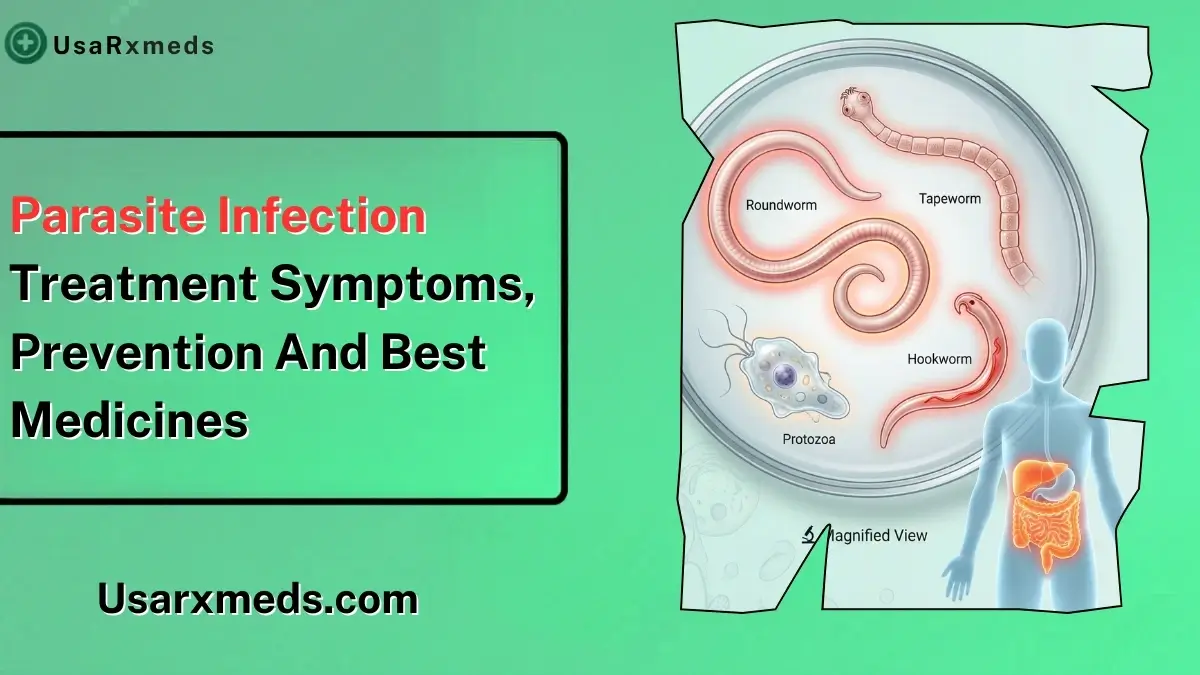
Parasite infection in humans can involve different types of organisms. Some live in your intestines and mess with your digestion. Others burrow into your skin or latch onto your scalp. They range from microscopic protozoa you can't see without a lab test to worms that can grow several inches long.
People pick up parasitic infections through contaminated water, undercooked food, contact with infected soil, insect bites, or close contact with someone who's already infected. It's not just a problem in developing countries either. Plenty of cases happen right here, often going unnoticed until symptoms become hard to ignore.
The parasite type determines your symptoms and treatment, so knowing the basics is important before considering solutions.
Common Parasite Infection Symptoms
Here's where it gets tricky. Parasite infection symptoms overlap with a ton of other conditions. That's why so many cases fly under the radar.
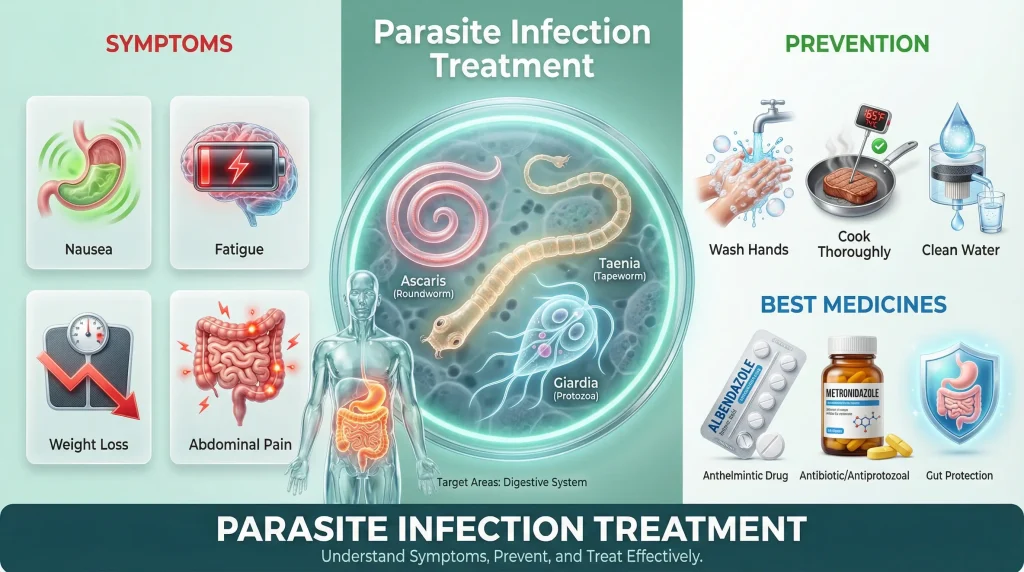
- Internal Parasite Symptoms
- These usually involve your gut, but they can affect your whole body:
- Persistent diarrhoea or constipation
- Bloating and gas that won't go away
- Stomach cramps or pain, especially after eating
- Unexplained weight loss despite eating normally
- Fatigue that doesn't improve with rest
- Nausea or vomiting
- Visible worms in stool (not always, but it happens)
- Iron deficiency or anaemia
- Brain fog or trouble concentrating
Skin-Related Symptoms
External parasites may cause intense itching (worse at night), rashes or red bumps, visible skin tracks (scabies), scalp itching with visible lice eggs, or spreading skin irritation.
If you have several of these symptoms for over two weeks, seek medical advice. Stool or skin tests usually confirm the cause.
Types of Parasite Infections
Not all parasites are the same, and treatment depends heavily on what type you're dealing with.
Internal Parasites
Helminths (Worms)
These include roundworms, hookworms, tapeworms, and pinworms. They typically live in the intestines and feed off the nutrients you consume. Hookworms can enter through the skin, usually through bare feet on contaminated soil. Pinworms are incredibly common in children and spread easily in households and schools.
Protozoa
These are single-celled organisms that are too small to see. Giardia and Cryptosporidium are two well-known examples. They're usually picked up through contaminated water or food. Giardia in particular causes persistent watery diarrhoea, cramps, and bloating that can last weeks if untreated.
External Parasites
Scabies
Caused by tiny mites that burrow into the outer layer of skin. The itching is relentless, especially at night, and it spreads easily through skin-to-skin contact. Scabies doesn't go away on its own and requires specific treatment.
Lice
Head lice, body lice, and pubic lice are all ectoparasites that live on the body's surface. They feed on blood and cause intense itching. Head lice are extremely common among school-age kids, but they can affect anyone.
Understanding which category your infection falls into helps determine whether you need oral antiparasitic drugs, topical treatments, or both.
Best Parasite Infection Treatment Options
Treatment for a parasite infection depends on the parasite type, its location, and the severity of the infection. In most cases, early diagnosis and appropriate medication result in a good outcome. The main treatment categories are medications taken by mouth for internal infections and topical applications for external ones.
Oral Medications
Internal parasites are generally treated with oral antiparasitic drugs prescribed by a healthcare provider. These medications either kill the parasites directly or paralyse them, allowing the body to eliminate them. The choice of medicine and duration depends on the specific infection.
Ivermectin
One of the most popular antiparasitic drugs in the world. Ivermectin is effective against a variety of parasitic infections, such as roundworms, threadworms, and some external parasites, such as scabies. It works by messing with the nerves and muscles of parasites, which stops them from moving and kills them. Most of the time, it's given as a single dose or a short course, depending on the infection.
Albendazole
Another broad-spectrum antiparasitic drug that works especially well against worms in the intestines. It works by stopping parasites from taking in glucose, which means they don't get the food they need. Albendazole is commonly used for hookworm, roundworm, whipworm, and tapeworm infections.
Mebendazole
Similar to albendazole in how it works. Often used for pinworm infections, which are extremely common in kids. Usually involves a simple short-term course.
Metronidazole
This one is for protozoan parasites like Giardia. It changes the organism's DNA, which stops it from reproducing. Your doctor might also give it to you if you have a mixed infection, since it's also used to treat some bacterial infections.
These medications require medical guidance. The right drug, timing, and duration matter because taking the wrong medication or stopping too soon can lead to failure or reinfection.
Topical Treatments
For external parasites like scabies and lice, topical treatments are usually the first line of defence.
Permethrin Cream
The go-to treatment for scabies. Applied to the entire body from the neck down, left on for a set period, then washed off. It kills both the mites and their eggs. For lice, permethrin is available in lower concentrations as a scalp rinse.
Ivermectin Cream or Lotion
Ivermectin Cream or Lotion Used topically for certain skin parasites when permethrin isn't suitable or hasn't worked. Also available in oral form for more stubborn cases of scabies.
Malathion Lotion
Sometimes used for head lice that haven't responded to other treatments. It's effective but has a strong smell and requires careful application.
Topical treatments work best when applied properly and paired with washing bedding, clothing, and personal items in hot water to prevent reinfestation.
Ivermectin for Parasite Infection
Ivermectin deserves its own section because it comes up so often in conversations about parasite treatment medicine.
Ivermectin was first made for use in animals, but it was later approved for use in people with parasitic infections and has been safe to use for decades. The World Health Organisation says it's one of the most important medicines. Billions of doses have been given out around the world, mostly for diseases like river blindness and lymphatic filariasis.
Ivermectin works for common parasitic infections by attaching to certain channels in the nerve and muscle cells of the parasites. This makes the parasite paralysed and kills it. It's useful because it works on both internal and external parasites.
That said, ivermectin isn't a catch-all solution. It works well for certain parasites but not all of them. And like any medication, it can cause side effects, including dizziness, nausea, and skin reactions. People with certain liver conditions or who are taking specific medications need to be cautious.
Taking ivermectin on your own, especially in veterinary formulations, is very dangerous. The amounts are different, the inactive ingredients might not be safe for people, and you could be treating the wrong thing if you don't get the right diagnosis. Always get a prescription from a doctor or nurse you trust.
Natural Remedies & Lifestyle Tips
Some people prefer exploring natural options alongside conventional treatment. There's some logic to that, but let's keep expectations realistic.
Garlic. Has natural antimicrobial properties and has been used traditionally against intestinal parasites. Eating it raw is more effective than cooked, though the evidence for it actually clearing an infection on its own is limited.
Pumpkin Seeds. Have a chemical in them called cucurbitacin that may help stop some intestinal worms from moving. Some research corroborates this, although the majority utilised animal models instead of human subjects.
Papaya Seeds. A small study showed that papaya seed extract combined with honey reduced parasite load in some participants. Interesting, but far from conclusive.
Probiotics. Eating fermented foods or taking probiotic supplements can help your digestive system heal during and after a parasitic infection. Parasites have a harder time living in a healthy gut.
Hygiene Habits. This isn't pretty, but it matters. You can greatly lower your risk by following these simple steps: washing your hands well before eating and after using the bathroom, keeping your nails short, washing your produce properly and not drinking untreated water.
Natural approaches can complement medical treatment, but they shouldn't replace it. If you have a confirmed parasitic infection, medication is the most reliable path to clearing it.
How to Prevent Parasite Infection
Prevention is always easier than treatment. And most of it comes down to common sense.
- Wash your hands frequently, especially before meals and after being outdoors.
- Drink clean, filtered, or boiled water when travelling
- Cook meat and fish thoroughly to kill any parasites present
- Wash fruits and vegetables under running water before eating
- Avoid walking barefoot on soil in areas where hookworm is common
- Keep your living space clean and wash bedding regularly
- Treat pets for parasites since some can transfer to humans
- Practice safe hygiene in communal living situations like dorms or shelters
- Use insect repellent in areas where mosquito-borne parasites are a concern
If you're travelling to regions where parasitic infections are more prevalent, talk to your doctor about preventive medications before you go. A little planning goes a long way.
When to See a Doctor
Not every stomachache means you have parasites. But certain signs should push you to get professional help sooner rather than later.
See a doctor if:
- Digestive symptoms like diarrhoea, bloating, or cramps persist for more than two weeks
- You notice blood or mucus in your stool
- You're losing weight without trying
- Fatigue is interfering with your daily life
- Itching or rashes are spreading or getting worse
- You've travelled recently to a region with high parasite risk
- Home treatments or natural remedies haven't resolved your symptoms
A doctor can order the right tests, identify the specific parasite, and prescribe targeted parasite infection treatment. Guessing and self-treating wastes time and can sometimes make things worse.
Frequently Asked Questions
What is the most common parasite infection in humans?
Pinworm infection is the most common parasite infection in humans, especially among children. It spreads easily in schools and households through contaminated surfaces. Symptoms include anal itching, particularly at night. Treatment is straightforward with oral antiparasitic medication, but the whole household often needs to be treated to prevent reinfection.
Can parasite infections go away without treatment?
Some mild infections may resolve on their own if your immune system is strong. But most parasitic infections, especially those caused by worms or protozoa, require medication to fully clear. Leaving them untreated can lead to chronic symptoms, nutritional deficiencies, and in severe cases, organ damage. It's always better to get a proper diagnosis.
How long does parasite infection treatment take?
It depends on what kind of parasite it is. Some infections go away with just one dose of medicine, like ivermectin for some worms. Some infections, like Giardia or tapeworms, may need to be treated for several days to a couple of weeks. Your doctor will decide how long you need to take the medicine based on the type of infection you have.
Is ivermectin safe for treating parasites?
When prescribed by a doctor for an appropriate parasitic infection, ivermectin has a well-established safety profile. It's been used globally for decades. Side effects are generally mild. The key is using the correct human formulation at the right dose. Veterinary ivermectin is not safe for human use and should be avoided completely.
Can you get parasites from your pets?
Yes, certain parasites can transfer from pets to humans. Roundworms, hookworms, and some protozoan parasites are examples. Regular deworming of pets, good hygiene practices, and avoiding contact with pet faeces significantly reduce this risk. If your pet has been diagnosed with parasites, it's worth mentioning to your own doctor as well.
Conclusion
Parasite infections are uncomfortable to think about, but they're a reality for millions of people. The symptoms can range from mildly annoying to seriously disruptive, and they often mimic other conditions, which makes proper diagnosis so important.
The encouraging part is that effective treatments exist. Whether you're dealing with intestinal worms, a protozoan infection, scabies, or lice, there's a clear path to getting better. Antiparasitic drugs like ivermectin, albendazole, and permethrin have helped countless people recover fully.
But treatment works best when it's guided by a healthcare professional. Get tested. Get the right diagnosis. And follow through with the prescribed treatment plan. Combine that with good hygiene habits and preventive measures, and you'll be in a strong position to protect yourself going forward.
Your health is worth the conversation, even when the topic isn't exactly dinner table material.
Medical Disclaimer: This article is for informational purposes only and does not constitute medical advice. Always consult a qualified healthcare provider before starting any medication or treatment for a parasitic infection. Do not self-medicate with prescription or veterinary drugs. Individual health circumstances vary, and professional guidance ensures safe and effective treatment.