$100.00–$750.00Price range: $100.00 through $750.00
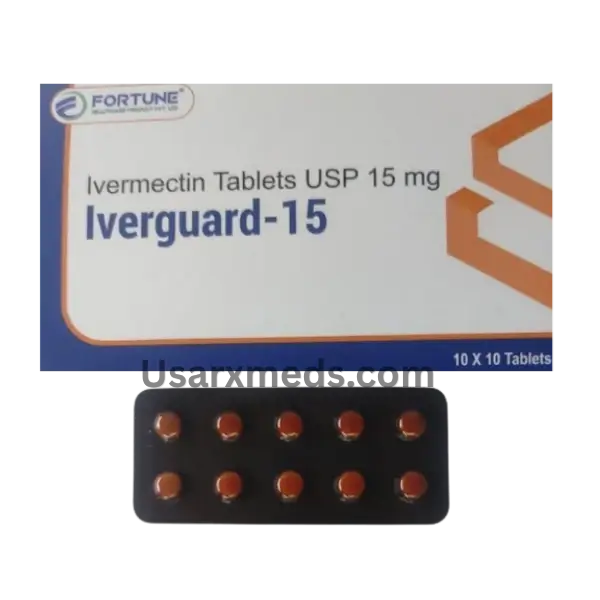
Ivermectin 15 mg is an oral antiparasitic medication designed to treat parasitic infections caused by various worms and skin parasites. Each tablet contains 15 milligrams of Ivermectin, placing it between the commonly available 12 mg and 24 mg strengths. This dosage can be particularly useful for patients whose body weight calls for a dose that does not align neatly with the more standard tablet sizes, allowing doctors to prescribe a more accurate amount without combining multiple lower strength tablets.
Ivermectin 15 mg fills a gap that a lot of people do not even realize exists. Most Ivermectin tablets come in round numbers like 3, 6, 12, or 24 mg. But not every patient's ideal dose fits perfectly into those options. That is where the 15 mg strength comes in. It gives doctors another tool to work with when calculating the right dose based on a patient's body weight and the type of infection they are dealing with.If you have been prescribed this strength or you are researching your options, here is a practical rundown of what you should know.
What Is Ivermectin 15 mg?
Ivermectin 15 mg is an oral antiparasitic medication that contains 15 milligrams of Ivermectin per tablet. Ivermectin is classified as an anthelmintic, which means its primary job is to kill parasites and worms. It has been in clinical use since the late 1980s and has a well documented track record of safety and effectiveness when used as directed by a healthcare provider.The 15 mg strength is not as widely discussed as some of the other dosages, but it serves a real purpose. For patients who weigh somewhere in the range where 12 mg would be slightly too low and 24 mg would be too much, a 15 mg tablet makes the prescribing process much cleaner.
How Ivermectin 15 mg Works
The way Ivermectin operates inside your body is pretty direct. After you take the tablet, the drug gets absorbed into your bloodstream. It then travels to wherever parasites are present. Once it reaches them, it binds to specific receptors in their nerve and muscle cells. This binding causes total paralysis of the parasite. It cannot move, feed, or reproduce. Eventually it dies, and your body eliminates it naturally through your digestive system.One of the reasons Ivermectin has remained so popular over the years is its selectivity. It goes after parasite cells without doing the same kind of damage to your own cells. That targeted approach is a big part of why side effects tend to be manageable for most people.
What Conditions Can Ivermectin 15 mg Treat?
Like other Ivermectin tablets, the 15 mg strength is used to treat parasitic infections. The most commonly treated conditions include:
Strongyloidiasis: This is an intestinal infection caused by the roundworm Strongyloides stercoralis. It can persist in the body for years without proper treatment, causing ongoing digestive issues and discomfort.
Onchocerciasis: Also called river blindness, this condition results from parasitic worms spread through insect bites. Ivermectin has been a critical part of global efforts to control this disease.
Scabies: When topical treatments like permethrin cream are not getting the results needed, oral Ivermectin becomes a reliable alternative.
Intestinal worm infections: Various types of worms that take up residence in the gut can be effectively cleared with the right Ivermectin dose.
Head lice: It is not the first option doctors typically reach for, but when other treatments fail, Ivermectin has shown effectiveness in dealing with resistant lice.
Your doctor will confirm the specific condition before determining that 15 mg is the right dose for you.
Who Is This Strength Right For?
Ivermectin dosing follows a weight based formula. The standard calculation is around 200 micrograms per kilogram of body weight. If you run the numbers, a person weighing approximately 75 kg would need about 15 mg of Ivermectin. That is a fairly common adult weight range, which makes this strength more relevant than you might initially think.Without a 15 mg option, a doctor would need to prescribe something like one 12 mg tablet plus one 3 mg tablet. It works, but taking a single tablet is always simpler. Fewer pills, less room for confusion, and an easier experience for the patient overall.
How to Take Ivermectin 15 mg
The instructions are consistent with other Ivermectin strengths:
Take it on an empty stomach, ideally at least one hour before your first meal
Swallow the tablet whole with a full glass of plain water
Do not crush, chew, or break the tablet unless your doctor specifically tells you to
Avoid eating fatty foods around the time you take your dose, since high fat meals can increase how much of the drug gets absorbed
For many parasitic infections, a single dose is all that is needed. Some conditions require a repeat dose after one or two weeks. Follow your doctor's instructions on whether a second round is necessary. Do not repeat doses on your own.
Side Effects Worth Knowing About
Most people tolerate Ivermectin 15 mg without major issues. The common side effects are similar to what you would expect from any Ivermectin dose:
Nausea
Mild dizziness
Headache
Stomach cramps
Diarrhea or loose stools
Feeling tired or run down
These are typically mild and clear up within a day or two. Nothing that should cause alarm in most cases.Serious side effects are uncommon but they do exist. If you experience facial swelling, trouble breathing, rapid heartbeat, changes in vision, or severe skin reactions, stop the medication and get medical help right away. These are not things to sit on and hope they pass.Patients carrying a heavy parasitic load may experience what doctors call the Mazzotti reaction. This includes symptoms like fever, itching, swollen glands, and joint or muscle pain. It happens because your body is reacting to a large number of parasites dying at the same time. It sounds concerning, but it is a known response and your doctor can help manage it.
Precautions Before Taking Ivermectin 15 mg
Before starting this or any Ivermectin tablet, here are things to bring up with your doctor:
If you are pregnant or could become pregnant, discuss the risks first. Ivermectin safety during pregnancy has not been fully established.
Breastfeeding mothers should also check in, as Ivermectin can pass into breast milk.
People with liver problems should approach Ivermectin with caution since the drug is processed through the liver.
Mention all other medications you are currently taking, especially blood thinners like warfarin.
Children weighing less than 15 kg should generally not take Ivermectin tablets.
This is a prescription medication. Do not take it based on self diagnosis or advice from someone who is not a licensed healthcare provider.
Storage
Store Ivermectin 15 mg at room temperature in a dry spot away from direct sunlight and moisture. Keep it in its original packaging until you are ready to take it. Check the expiration date before each use and make sure it is stored out of reach of children and pets.
Available Strengths
Ivermectin tablets are available in multiple strengths across the market:
The 15 mg strength offers a practical middle option between 12 mg and 24 mg. Your prescribing doctor will select the most appropriate strength based on your body weight, type of parasitic infection, and overall health.
Frequently Asked Questions
1. What is Ivermectin 15 mg used for?
Ivermectin 15 mg is an oral antiparasitic medication used to treat parasitic infections like strongyloidiasis, onchocerciasis, scabies, and intestinal worm infections. It works by paralyzing and killing parasites inside the body so they can be naturally expelled.
2. Why would a doctor prescribe 15 mg instead of 12 mg or 24 mg?
Ivermectin dosing is based on body weight, typically around 200 micrograms per kilogram. For a person weighing about 75 kg, the calculated dose comes out to roughly 15 mg. Prescribing a single 15 mg tablet is simpler and more accurate than combining other strengths to reach the same total.
3. Can I take Ivermectin 15 mg with food?
It is best to take this tablet on an empty stomach with water and wait at least an hour before eating. Taking it with food, particularly fatty meals, can increase how much Ivermectin your body absorbs, which may not always be ideal. Stick to whatever your doctor recommends on timing.
4. How quickly does Ivermectin 15 mg start working?
Ivermectin begins acting within a few hours of taking the dose. Parasites typically start dying off within 12 to 24 hours. You may not feel an immediate difference in your symptoms, but the medication is working. Full improvement usually becomes noticeable within a few days.
5. Is Ivermectin 15 mg safe for everyone?
It is generally safe for most adults when taken as prescribed. But it is not recommended for pregnant women, children under 15 kg, or people with certain liver conditions without proper medical evaluation first. Always consult your doctor before starting this medication to make sure it is appropriate for your specific situation.
Reviews
There are no reviews yet.