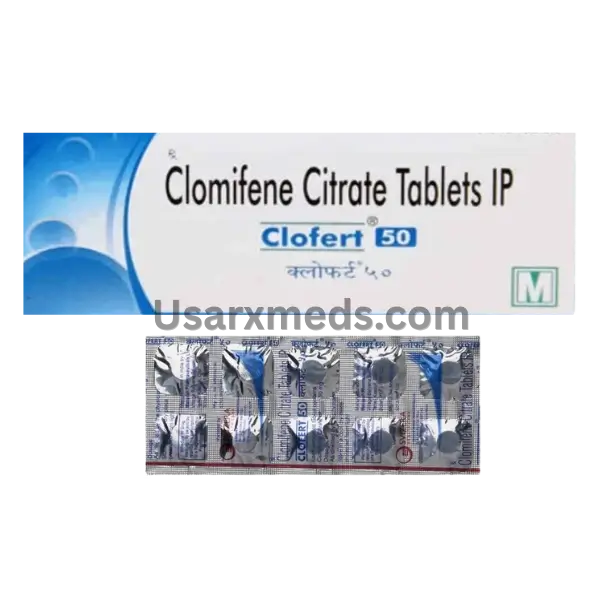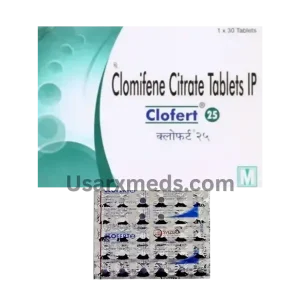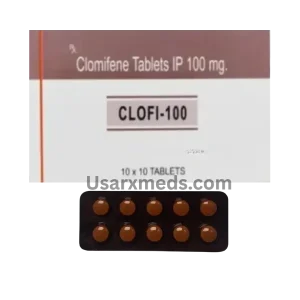
Clofert 50 Mg is a prescription fertility medicine containing 50 mg clomiphene citrate (also searched as 50 Mg Clomifene Citrate). It is commonly used to help induce ovulation in women with ovulation disorders, including polycystic ovarian syndrome (PCOS). Clofert is taken on specific cycle days and often paired with ovulation tracking or ultrasound monitoring, so it should be used only under a clinician’s guidance.
Clofert 50 Mg is one of the most commonly prescribed strengths of clomiphene citrate. If you’ve been told you have an ovulation issue, especially polycystic ovarian syndrome (PCOS), you have probably heard clomiphene mentioned early in the conversation. That’s because it has a long track record, it’s taken by mouth, and for many women it’s an effective first step to help the body ovulate more predictably.Trying to conceive with irregular cycles can feel like you’re always playing catch-up. You track, you guess, you wait, and then the calendar resets. Clofert 50 Mg is meant to make that process more consistent by encouraging ovulation.
What Clofert 50 Mg is used for
Clofert 50 Mg (50 Mg Clomifene Citrate) is commonly used for:
PCOS related infertility, where irregular ovulation is a major factor
Other ovulation disorders where your clinician believes clomiphene can help
It’s not a cure for PCOS, and it’s not a guarantee of pregnancy. It’s a tool to help trigger ovulation, which is one key part of getting pregnant.Before starting clomiphene, many clinicians will check for other issues that affect fertility, such as:
Those checks matter because there’s no point forcing ovulation if another barrier needs attention first.
How clomiphene citrate works
Your brain and ovaries communicate through hormones. In simple terms, clomiphene helps “boost” the signals that encourage follicle development. That gives your ovaries a better chance to mature a follicle and release an egg.Most treatment plans aim for one mature follicle, but clomiphene can sometimes stimulate more than one. That’s part of why monitoring is often recommended.
Why 50 mg is a common starting dose
Clofert 50 Mg is often the first dose many clinicians try because it’s a practical balance. It’s strong enough to trigger ovulation in many patients, including some women with PCOS, but it’s not as aggressive as higher doses.If 50 mg doesn’t lead to ovulation, your clinician may increase the dose in a later cycle. If it triggers too many follicles, they may adjust or switch strategies.
How Clofert is usually taken
Clomiphene is taken on specific cycle days, often for 5 days early in the cycle. The exact start day can vary by clinic protocol. Some start on cycle day 3, some on day 5. What matters is that you follow the schedule you are given.Your clinician may recommend:
Ultrasound monitoring to see how follicles are developing
Blood tests to confirm ovulation
Ovulation predictor kits
Timed intercourse or IUI scheduling depending on your plan
Following the timing plan matters more than most people realize. A medication can work, but if timing is off, the cycle can still be a missed opportunity.
Side effects and what to watch for
Clomiphene can cause side effects, and most of them are related to hormone shifts. Common ones include:
Hot flashes
Mood swings or irritability
Bloating
Headache
Breast tenderness
Nausea
A symptom that should be taken seriously is visual changes. If you notice blurred vision, flashes, or spots, stop the medication and contact your clinician.Also reach out quickly if you have severe pelvic pain, significant abdominal swelling, or rapid weight gain. These are uncommon, but they need evaluation.
Twins and multiple pregnancy risk
Clofert can increase the chance of twins. Some people like the sound of that, but medically, multiples come with higher risks for both parents and babies. This is another reason many clinicians prefer monitoring, especially if dose increases are being considered.
Lifestyle factors that support results
Medication helps, but overall health still matters. With PCOS, managing insulin resistance (if present), maintaining a healthy weight, and improving sleep can improve ovulation response. You don’t need perfection. Even small changes can support better results.
Your clinician chooses the strength based on ovulation response and monitoring results.
FAQs
1) What is Clofert 50 Mg used for?
Clofert 50 Mg is a part of a fertility plan that helps women with generic medication who have trouble ovulating, like those with polycystic ovarian syndrome (PCOS), get pregnant.
2) Is Clofert 50 Mg a common starting dose?
Yes. Many doctors start you on 50 mg of clomiphene citrate and then change the dose based on how your ovaries respond during that cycle.
3) How soon will I ovulate after taking clomiphene?
Ovulation usually occurs later in the cycle after you finish the 5-day course, but timing varies. Ovulation tracking and ultrasound can help confirm it.
4) Can clomiphene help women with PCOS get pregnant?
It can help by making you ovulate, which is often the missing piece in PCOS-related infertility. Pregnancy still depends on timing and other factors that affect fertility, so it's important to keep an eye on things and evaluate them.
5) What side effects should I report right away?
You should tell your doctor right away if you notice any changes in your vision, have severe pelvic pain, heavy bleeding, or symptoms that feel very bad or strange.
size
30 Tablet/s, 60 Tablet/s, 90 Tablet/s
⭐ Reviews
Reviews
There are no reviews yet.
Be the first to review “Clofert 50 Mg (Clomifene Citrate)” Cancel reply
Reviews
There are no reviews yet.